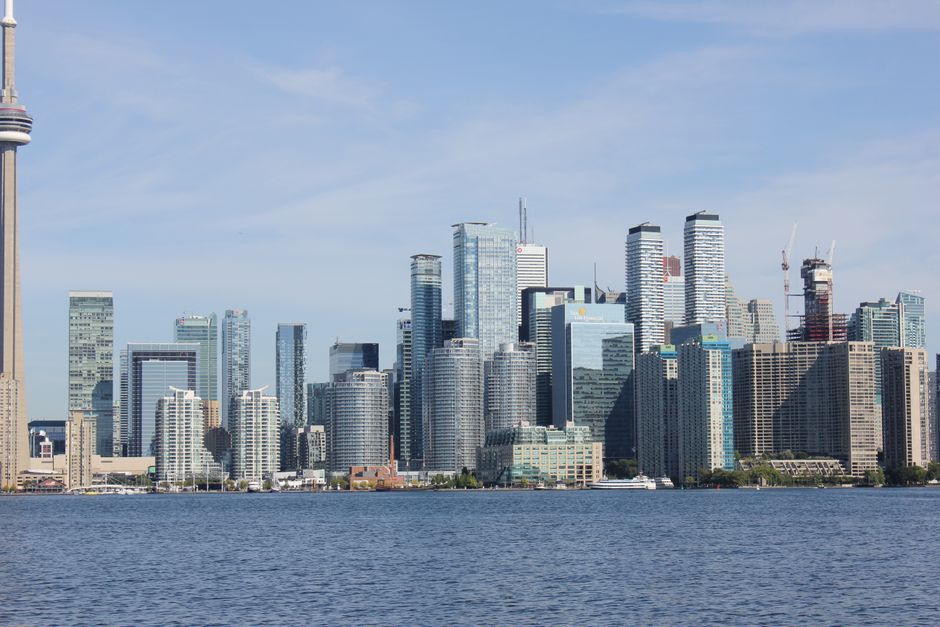
Condominiums have become the soft spot in Canada’s housing market, with prices down sharply from their pandemic-era peaks even as the wider resale market shows tentative signs of stabilizing. In Toronto, condo prices have fallen 23 per cent from the peak, while analysts and economists say a glut of unsold and investor-owned units, combined with cautious buyers, means the segment is expected to take longer to recover than detached homes.
Cheaper Condos, But Affordability Still Uneven
The price drops have made condos more attainable in some pockets of Toronto than at any point in recent years, though the gains vary enormously by neighbourhood. According to calculations by real estate data expert Christian Mijatovic, a household earning $77,000 could qualify to buy in Black Creek, where the median condo price sits at $355,000 — the lowest income threshold anywhere in the city. At the other extreme, the Bridle Path—Sunnybrook—York Mills area requires an income of $267,000 to buy a condo priced at $1.425 million.
Mijatovic said falling prices have “pushed condos closer into affordability, although condo fees have increasingly gone up year over year.” John Pasalis, founder and broker of Move Smartly Realty, cautioned that headline price declines overstate the affordability improvement once financing costs are factored in. He estimated monthly mortgage costs on an average home have fallen only about 10 per cent from the pandemic peak, even though prices are down closer to 25 per cent, because interest rates remain well above pre-pandemic levels. Toronto-area home prices broadly fell below $1 million in August for the first time since January, per Toronto Regional Real Estate Board data, but Pasalis said the region is still “significantly above where we were pre-COVID” on a monthly-carrying-cost basis.
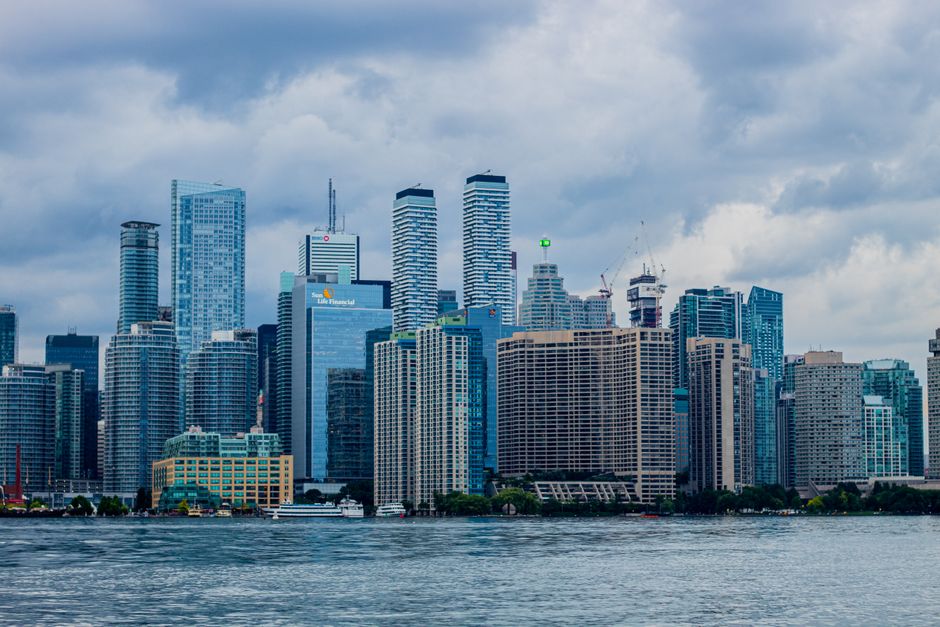
Oversupply and Investor Retreat Weigh on Recovery
RBC Economics, in reports covering the national market through late summer, said Canada’s housing sector is “finally taking steps” toward recovery, with resales on a winning streak since April and prices showing signs of levelling off. But assistant chief economist Robert Hogue said the condo market specifically is likely to lag, citing high inventory in Toronto and Vancouver along with what he called “investor apathy.” RBC’s broader forecast still points to a soft year overall, with national resales projected to fall 3.6 per cent to 453,200 units and the benchmark price index down 2.3 per cent to $794,200, before a modest rebound next year.
Depressed housing starts, particularly for condos, which have contracted sharply over the past two years, are expected to tighten supply structurally in coming quarters, RBC economist Rachel Battaglia wrote in a separate regional analysis, even as active listings continue to thin out.
The overhang of unsold condo inventory has also created an opening for large investors to buy at steep discounts unavailable to individual purchasers. Investment firm High Art Capital, backed by the Ontario government’s Building Ontario Fund, acquired 43 unsold units in Toronto’s midtown Line 5 complex for $22.3-million — a price well below market rate — with plans to convert the units into rentals, about a quarter of them offered below market and prioritized for health care workers belonging to the Service Employees International Union. Reporting by the Globe and Mail noted that such bulk deals are rarely disclosed publicly, since developers do not want attention drawn to unsold inventory and bulk buyers do not want competitors to know the size of their discounts. Line 5’s developer, Westdale Properties, said the sale at least ensures the units are occupied rather than sitting empty.
Condo Market Snapshot: Prices and Deals
Regional Divergence Across Major Markets
Condo weakness is not confined to Toronto. In Calgary, RBC reported that condos have absorbed most of the market’s downward pressure, with prices sitting 8 per cent below year-ago levels, compared with a 1.1 per cent annual decline for detached homes. New listings there rose modestly in August while resales fell more than 9 per cent seasonally adjusted from July, pushing the sales-to-new-listings ratio to its lowest point since the pandemic, though RBC said the ratio remains within balanced-market territory.
Vancouver’s condo-heavy market remains the weakest of Canada’s six largest markets, RBC said, even after resales rose an estimated 8.5 per cent seasonally adjusted in August alongside a jump in new listings. Prices there are still falling, albeit at a slower pace. Montreal, by contrast, has seen new listings climb as sellers emerge, though RBC said poor affordability continues to suppress resales even as expanding inventory may eventually ease pressure. Ottawa was a rare bright spot, with prices edging above year-ago levels for the first time since November 2025.
Rents have also softened in cities most exposed to the Canada-U.S. trade war, falling three per cent since January 2025 — four times faster than in the least tariff-exposed communities, according to data from Rentals.ca and Urbanation cited by the Globe and Mail. Economists caution that with job losses and trade uncertainty still weighing on household confidence, rental and condo markets in the hardest-hit regions have likely not yet bottomed out.
This article references reporting from: