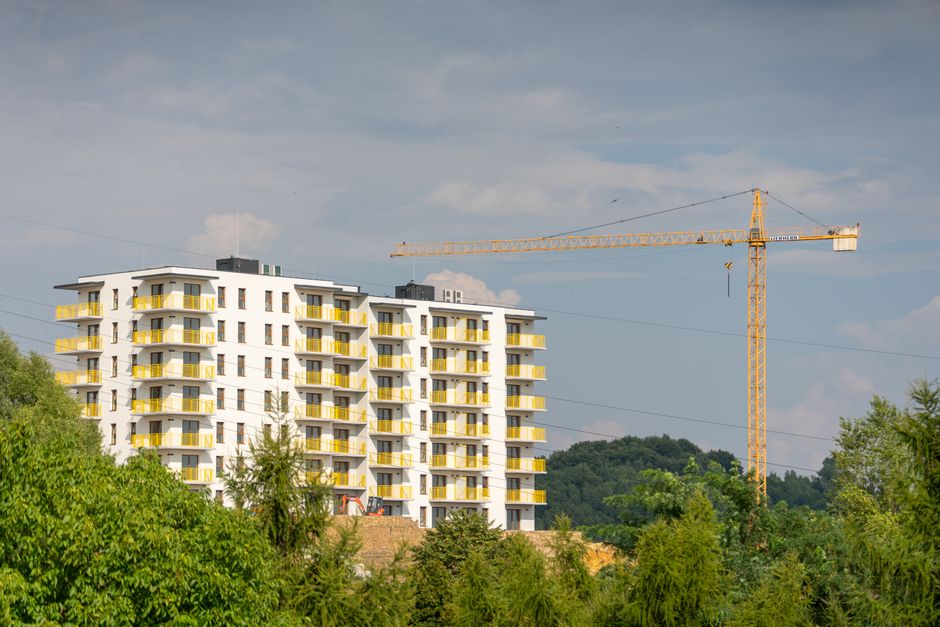
British Columbians head to the polls twice in the span of a week, with municipal elections on Oct. 17 followed by a provincial snap election on Oct. 24. Housing has emerged as a central issue in both campaigns, but the two levels of government control very different levers over who can build what, where, and how it gets taxed.
For anyone who builds, owns or leases property in the province, the split matters. Zoning bylaws and development approvals are largely a municipal responsibility, while the taxation of housing is set by the provincial government in Victoria.
Cities Control Zoning, But the Province Can Step In
Stewart Prest, a political science professor at the University of British Columbia, said the province holds authority over property rights and has delegated significant powers to municipalities through legislation, according to reporting by Daily Hive.
Cities are responsible for writing zoning bylaws and overseeing development approvals. They also manage services such as water, sewage, garbage collection and transportation.
Despite that delegation, the province retains the ability to force cities to change their zoning rules. It has used that authority in recent years to require a number of municipalities to allow greater housing density in certain neighbourhoods, a move that drew opposition from some communities. Funding for municipal housing initiatives can come from both the federal and provincial governments, though neither is required to provide it. Most Lower Mainland municipalities also coordinate through the Metro Vancouver Regional District on large-scale water and sewage projects.
Provincial Campaign Splits Over Housing Taxes
At the provincial level, Premier David Eby and the BC NDP have campaigned on introducing a tax on unsold condos and raising the existing speculation and vacancy tax. The party argues these measures would push developers to lower asking prices and encourage owners of vacant properties to rent them out long-term.
Conservative Leader Lorne Doerkson has criticized the proposal, arguing that NDP taxes and regulatory red tape are driving up housing costs, with new taxes ultimately passed on to families in higher prices. He has said his party would instead focus on cutting construction costs to boost the supply of new homes.
Sanjay Jeram, a political science professor at Simon Fraser University, noted that health care and education consume a large share of the provincial budget, and that the province’s taxing power also allows it to make targeted investments in local economies.
Municipal Candidates Wade Into Provincial Issues
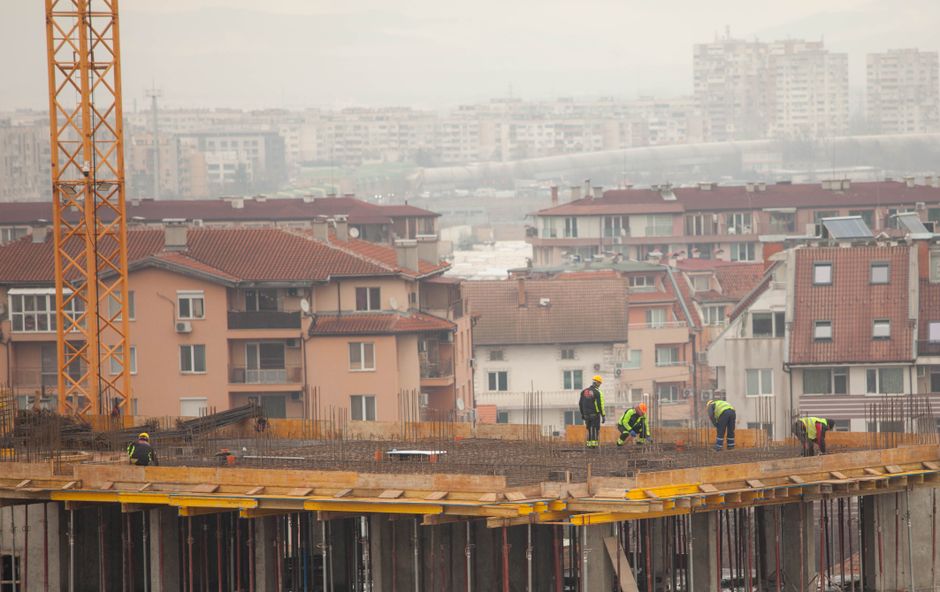
Nearly all major municipal parties in Vancouver have put forward housing platforms that include faster development approvals, permanently affordable housing units, and stronger protections for existing affordable rental stock. Prest framed part of the debate as a disagreement over whether cities need greater density to bring prices down, or whether efforts to address unmet housing need are misdirected.
In Surrey, mayoral candidate Doug McCallum has promised to fast-track a full-service hospital on city-owned land, with the municipality handling the application and permitting before seeking construction funding from the provincial and federal governments.
In Vancouver, incumbent Mayor Ken Sim, who is seeking re-election, has pledged to push for at least 100 involuntary care beds. Jeram described this as a strategy cities have used before. He added that municipalities have limited ability to raise their own revenue compared with provincial and federal governments, which constrains what they can accomplish without outside funding.
Two Campaigns Vying for Voter Attention
Prest said the provincial race is increasingly shaped by competing narratives, with the NDP seeking to highlight divisions within the Conservative party while the Conservatives point to strained health care and education systems, a multibillion-dollar deficit, and the NDP’s handling of the Declaration on the Rights of Indigenous Peoples Act. Reporting from My East Kootenay Now has noted how closely timed the two votes are. Eby has said he trusts British Columbians to understand the distinctions between the campaigns, pointing to how housing issues show up in residents’ daily lives.
This article references reporting from: