U.S. trade adviser Peter Navarro has issued a sharply worded warning to Canadian lobbyists working in Washington, telling them to leave the country amid escalating trade tensions between Canada and the United States. Navarro also cautioned Canada against interfering in U.S. elections, adding another layer of friction to an already strained relationship between the two countries.
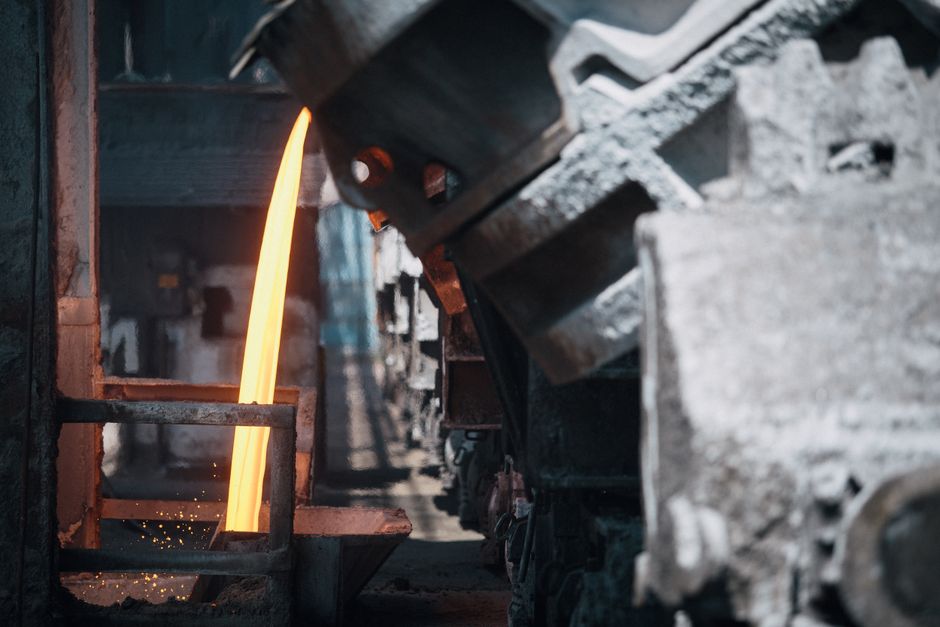
The comments come as tariff disputes continue to weigh on Canadian industry, most visibly in the steel sector. Hamilton, Ontario-based steelmaker Stelco has announced it will lay off hundreds of workers, a move Prime Minister Mark Carney described as a betrayal of the company’s workforce. The layoffs underscore the toll that ongoing U.S. tariffs are taking on Canadian manufacturers and their employees.
Carney’s Measured Response
Asked how he intended to respond to Navarro’s remarks, Carney said he would simply “take note” of them, declining to engage further. He was also asked about a separate claim from U.S. President Trump suggesting Canada would back down on tariffs within three weeks, and again offered no direct response.
Carney’s restrained public posture stands in contrast to the pointed rhetoric coming from the U.S. side. He indicated Canada could still consider applying new trade pressure on the United States as talks continue, without detailing specific measures.
Steel Industry Feels the Strain
The layoffs at Stelco highlight how tariff pressure is translating into real economic consequences for Canadian workers. As one of the country’s prominent steel manufacturers, Stelco’s decision to cut hundreds of positions is being viewed as a signal of broader strain within Canada’s manufacturing base amid the tariff dispute.
With both governments signaling little willingness to soften their positions publicly, the path forward for U.S.-Canada trade relations remains unsettled. Canadian officials have not detailed what, if any, retaliatory steps might follow, while U.S. officials continue to apply public pressure through statements from figures like Navarro and Trump.
What Comes Next
The combination of tough talk from Washington and continued job losses in Canada’s steel sector suggests the trade standoff is far from resolved. Both sides appear to be positioning for further negotiation, with Canadian leadership emphasizing a cautious, low-key public response even as domestic industries absorb the economic impact.
This article references reporting from: