
Canada’s retail real estate sector is showing a split personality this fall: institutional capital is flowing back into shopping centres and flagship corridors even as individual retailers diverge sharply between aggressive expansion and pullback. The result is a market where landlords appear increasingly confident in well-located properties, while tenant performance varies widely by category.
Mall Investment Rebounds as Landlords Consolidate
Primaris Real Estate Investment Trust (TSX:PMZ.UN) has emerged as one of the more visible signs of renewed appetite for enclosed shopping centres. According to Retail Insider, Primaris is raising $200 million to pursue more than $1 billion in mall acquisitions, positioning itself to absorb properties as institutional owners rebalance their portfolios away from enclosed malls. Separate coverage from kalkine.ca points to retail property strength and portfolio strategy supporting investor confidence in Primaris, with the REIT’s roughly 4.24% distribution yield cited as part of its income appeal as retail real estate fundamentals improve.
The consolidation trend extends beyond REIT portfolios. CoStar reported that Leyad has purchased a Loblaw-occupied property portfolio, a transaction the buyer described as Canada’s biggest retail real estate deal of the year — underscoring how grocery-anchored assets remain attractive to investors even as broader market conditions shift.
Luxury Corridors and Flagship Expansion
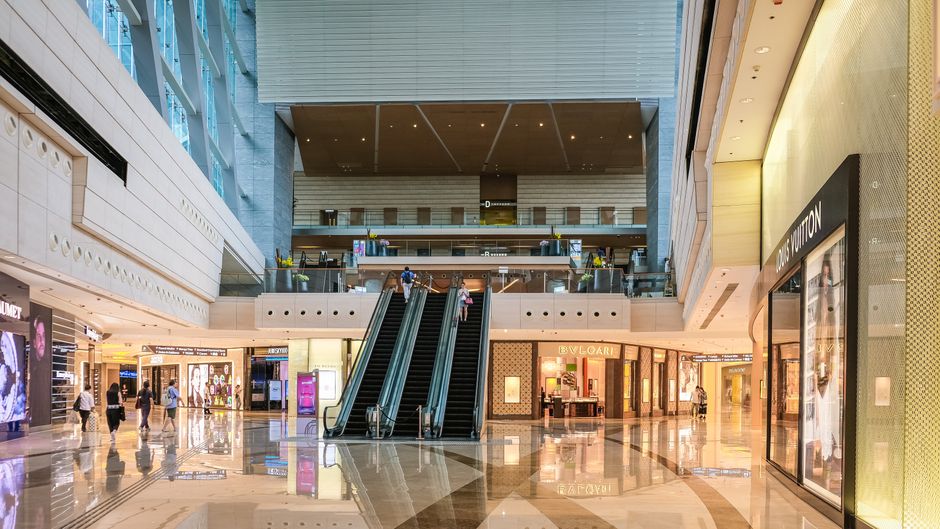
At the street level, some of Canada’s premier retail corridors are being reshaped by new flagship openings. Toronto’s Bloor Street is adding a Delysées Café alongside flagship stores from RH and Tiffany & Co., while Holt Renfrew and Harry Rosen undertake major repositionings, according to Retail Insider — changes that diversify the corridor’s luxury and food-and-beverage mix and intensify competition along the strip. LEGO is expanding its Greater Toronto Area footprint with three new stores, a 25% increase in its network, reinforcing the value flagship brands place on presence in both regional malls and dense urban hubs. Michael Hill is also planning to grow its Canadian store count following what Retail Insider described as record fiscal performance, while Jimmy John’s opened its first Calgary restaurant near the University of Calgary and Alberta Children’s Hospital, targeting institutional foot traffic. Not every retailer is chasing bigger footprints, however: Kit and Ace is relocating some locations to smaller but more strategically positioned spaces, reflecting a broader trend toward flexible real estate strategies within malls.
Value Retailers Drive Growth While Others Pull Back
Value-oriented retail continues to be a bright spot for landlords. Dollarama maintained its $5 price ceiling while posting a 17.6% sales increase in its second quarter of fiscal 2027, reaching $2 billion, helped by stronger Canadian store sales and a full contribution from its Australian operations. Empire Company is raising its store-opening target to more than 25 new locations in fiscal 2027 as it expands its Sobeys and FreshCo banners, and the company said it is refusing tariff-driven supplier price increases by leveraging diversified sourcing. The North West Company reported more than 7% growth in Canadian same-store sales, aided by First Nations settlement payments that boosted spending power in northern communities. Couche-Tard, meanwhile, posted a 25.1% revenue increase driven largely by fuel sales, even as merchandise sales stayed flat.
Snapshot: Canadian Retail Performance Indicators
That momentum is not universal. Lululemon reported an 11% decline in Canadian sales for its second quarter, citing weak traffic and product relevance issues, and has responded by slowing physical expansion and trimming its SKU count. Retail Insider also noted that many small and mid-sized Canadian retailers are facing cash flow strain from late payments and rising debt, even while remaining profitable on paper — a dynamic that creates pockets of stress for landlords reliant on smaller tenants even as larger anchors expand.
Economic Headwinds Persist
Broader pressures continue to weigh on the sector. Tariff and supply chain disruptions are prompting rapid adjustments among manufacturers, illustrated by Gather Packaging’s pivot toward Canadian markets after facing a 50% U.S. tariff. Labour market data add another layer of concern, with Canada losing 42,000 jobs in August, a contraction that Retail Insider linked in part to retail employment losses. At the same time, the publication’s Canadian Retail Monitor for August found strengthening demand in categories like health, personal care and apparel, even as grocery spending contracted and fuel sales rose mainly due to higher prices rather than volume. Taken together, the data suggest a retail real estate market where capital remains willing to back well-positioned malls and grocery-anchored assets, even as performance among individual tenants remains uneven heading into the holiday season.
This article references reporting from: