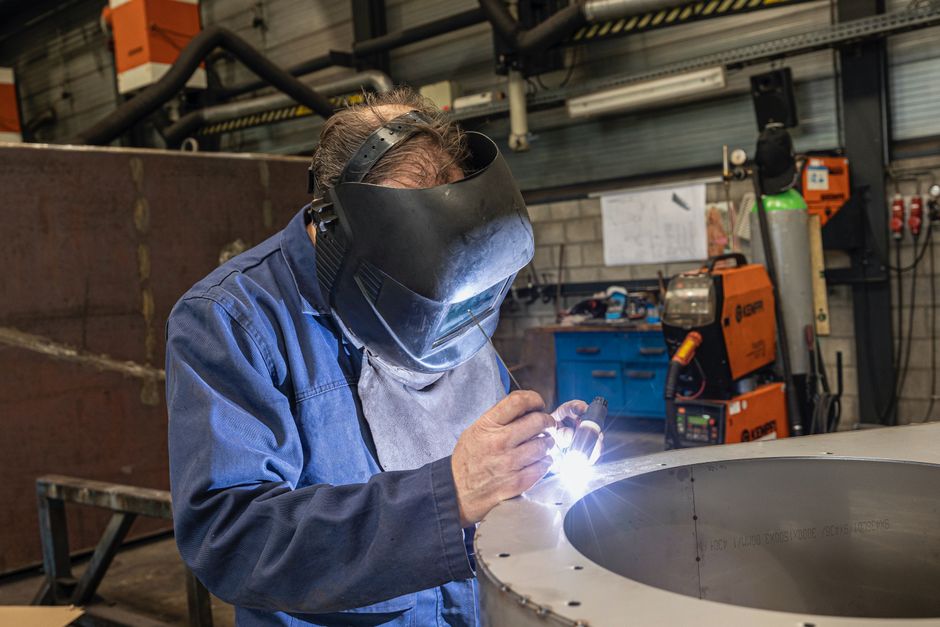
Independent rig welders across northern and central Alberta joined a work stoppage on Oct. 1 that began in British Columbia’s Peace region a month earlier. They are refusing new contracts until clients pay a minimum of $150 an hour and cover fuel and supplies. As of Oct. 6, no end date has been set: organizers say the action continues until rates change.
The dispute was first reported in our earlier story, Alberta welders set to join B.C. wage protest. Here is where it stands and what to watch next.
Is the welders strike over?
No. There has been no announcement of a settlement or end date. When the B.C. group began its stand-down, organizers said welders would stop taking work until a higher hourly rate and better job conditions were met, though some work already under contract has continued.
Unlike a union strike, this action has no collective agreement, bargaining table or legal deadline. The welders are independent contractors who own their own trucks and equipment, and each one sets their own rate. In practice the stoppage ends client by client: once a company accepts the $150 rate, welders can go back to work for it.
Have any companies agreed to $150?
Some have. According to Rig Welders of Central Alberta, some companies have already paid the $150 rate, while others have offered between $125 and $130 an hour. Organizers have not named which companies have agreed.
What the welders are asking for
- A $150 minimum hourly rate. Organizers describe it as a benchmark for the region, not a ceiling.
- Clients supply consumables. The Central Alberta group’s new rate, effective Oct. 1, has clients covering fuel, welding rod and other consumables.
- A $25 an hour premium for specialty alloy welding.
- Fuel and supply provisions for jobs outside a welder’s home area.
- Yearly rate reviews tied to inflation and equipment costs.
- One standard regional rate, so cheaper outside bids can’t undercut local welders.
Why rig welders say rates have to rise
Welders say hourly rates have barely moved in 15 to 20 years while their costs have climbed. A fully equipped welding rig costs about two and a half times what it did two decades ago, and welding machines cost three to four times as much, according to the Central Alberta group.
Craig Fiset, who has run Fiset’s Welding in Fort St. John since 2004, estimates it would take about $170 today to match the purchasing power of $120 in 2008. He has called the increase “long overdue.”
Organizer Vahid Aghdasi of Fort St. John argues the money is in the system but isn’t reaching the welder. He said the margin contractors make on a welder has grown from about $10 an hour to between $40 and $55.
How the stoppage spread from B.C. to Alberta
Rig Welders of the North Peace started the stand-down on Sept. 1 with about 160 independent contractors in Fort St. John, Dawson Creek and nearby communities. Within days, membership across the two provinces grew to more than 700. By the end of September, organizers said more than 1,000 welders were involved and expected the number to keep rising.
Alberta welders joined on Oct. 1 with rallies across the province. Grande Prairie is the main hub, and welders in Red Deer and Rocky Mountain House also organized. B.C. welders say Alberta’s involvement matters because it stops companies from bringing in cheaper welders from across the border to fill jobs. Electricians, gas fitters and truckers in the region have voiced similar complaints about pay.
What it means for oil and gas work
Rig welders handle fabrication, repairs and pipeline tie-ins across the oilpatch, so a long stoppage could slow maintenance and new work for producers and service companies. Those companies are already under cost pressure. Demand for welders is also expected to grow. Federal and Alberta leaders pitching a new West Coast pipeline have said tens of thousands of workers, including welders and pipefitters, would be needed. Ottawa’s $880-million skilled trades training commitment also names welders as a priority trade.
When could the welders strike end?
No end date has been set. Three things to watch:
- How many companies accept $150. Every client that agrees takes pressure off, and organizers have already reported some agreements.
- Whether the $125–$130 counter-offers become the going rate. If enough welders take them, the regional standard the group wants could fall apart.
- Fall and winter work. Winter is a busy season for northern oilfield and pipeline work, which gives welders more leverage the longer the work goes undone.
We will update this story as the dispute develops.
Frequently asked questions
Is the Alberta welders strike still going on?
Yes. As of Oct. 6, no settlement or end date has been announced. Welders say they won’t take new work until rates rise.
How much do rig welders want?
A minimum of $150 an hour, up from about $125, with clients covering fuel and consumables and a $25 premium for specialty alloy work.
Is it a union strike?
No. The welders are independent contractors who own their own rigs. They are acting together on rates, but there is no union, collective agreement or bargaining process.
Where is it happening?
It started in Fort St. John and Dawson Creek in northeastern B.C. Since Oct. 1 it has included Grande Prairie, Red Deer, Rocky Mountain House and other parts of northern and central Alberta.
Sources: Edmonton Journal (via Yahoo News Canada), Lakeland Today, EverythingGP and Energeticcity.