The Northwest Territories and federal governments are considering dissolving the Independent Environmental Monitoring Agency (IEMA), the public watchdog overseeing the Ekati diamond mine, as the territory takes over responsibility for closing the site.
The NWT and Ottawa sent a letter late last month to Indigenous signatory groups of Ekati’s environmental agreement, seeking feedback on whether to terminate the agreement and wind up IEMA. The letter points to Ekati owner Arctic Canadian Diamond Company being placed into receivership, which it says makes it difficult for the operator to meet its obligation to fund IEMA. The territory says it is relying on financial security held from the company to cover care, maintenance, closure and reclamation needs at the mine.
According to the letter, the governments are weighing whether ending the agreement — and avoiding the costs that come with it, including funding IEMA — would allow the available security to be used more directly for remediation work.
Watchdog Says Oversight Still Needed
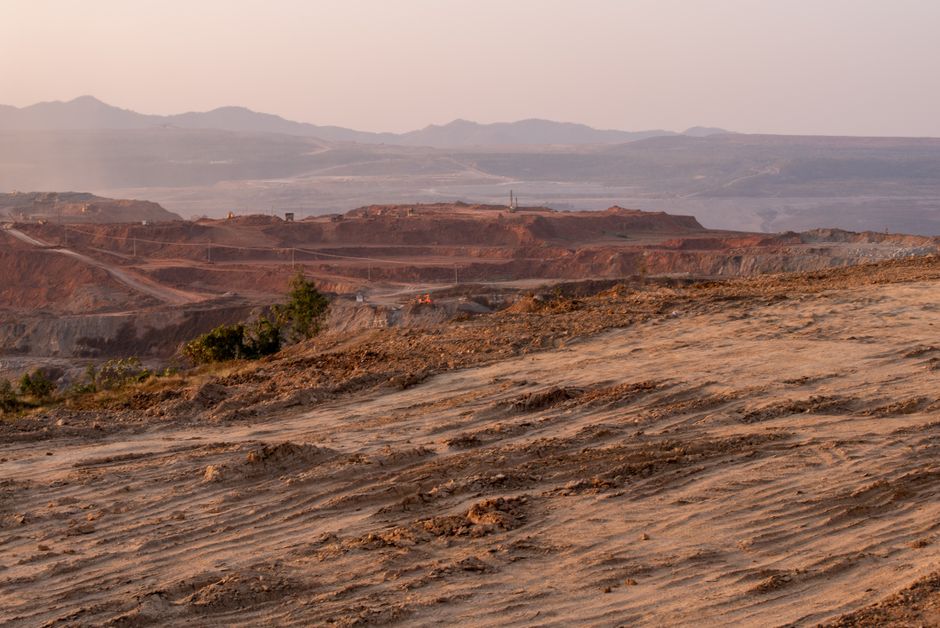
IEMA disputes that position, saying the environmental agreement reflects a commitment made to Indigenous governments to maintain independent oversight of the mine until it is fully closed. Marc Casas, IEMA’s executive director, said oversight is especially important now, given the complexity of the site, which includes 10 open pits, six waste rock piles and more than 200 kilometres of roads. He noted there is still no final closure plan for Ekati and said IEMA’s directors bring decades of relevant experience.
Casas said that because the NWT government is now responsible for closing the mine, it will no longer provide technical input through the existing co-management system. He said IEMA is open to cost-saving changes but wants Indigenous governments and communities to lead that process. He also said the environmental agreement requires consideration of wildlife and air quality — factors he said are not addressed under land and water permits.
Kevin O’Reilly, a former NWT MLA and previous IEMA executive director, said ending the board early would mean losing what he called a significant resource. Citing IEMA’s latest financial statements, which show total revenues of $861,419 in 2025 including interest, O’Reilly said that amount is relatively small given the experience IEMA directors provide, and argued the board could help prevent closure costs from rising further for taxpayers.
O’Reilly also questioned whether the NWT government will hold public engagement before deciding on IEMA’s future, noting there was no public engagement before the territory shut down similar watchdogs for the Diavik and Snap Lake mines. He said Ekati’s environmental agreement requires public meetings and consultation with Indigenous peoples.
The NWT’s environment minister, Jay Macdonald, did not respond to a request for an interview. In a statement, his department said Indigenous organizations have until December 17 to provide feedback, and said the earlier decisions to wind up advisory bodies for Diavik and Snap Lake were made independently, based on those mines’ own environmental agreements. PricewaterhouseCoopers, the court-appointed receiver for Ekati, declined to comment, and the federal government and Indigenous signatories did not respond to requests for comment.
Questions Over Cleanup Funding
The debate over IEMA’s future comes amid broader concerns about whether Arctic Canadian Diamond Company left behind sufficient funds to remediate the Ekati site. With no final closure plan in place, the exact cost of cleanup remains unclear. Court documents show the company had estimated reclamation costs of nearly $428 million, while the NWT government currently holds around $327 million in securities for the mine.
Ekati Mine Cleanup Funding
Territorial officials and the head of the Wek’èezhìi Land and Water Board have said they are confident the available funds will cover the full cost of cleanup. Others are less certain. Casas said he believes it is now clear the available security will not be enough.
O’Reilly called it ironic that the NWT government is now considering ending the environmental agreement and IEMA to save money, rather than having ensured a final closure plan and adequate security were in place earlier. He questioned where government oversight was several years ago to flag potential problems at Ekati, and said the situation reflects a broader pattern he described as inadequate resource management by the NWT government since devolution, pointing to advocacy group Alternatives North’s call for an audit of the territory’s resource management.
This article references reporting from: